Ukraine’s big boom FP-2 drones just blew up four Russian Orions inside their Crimean hangar

(function(w,q){w[q]=w[q]||[];w[q].push([“_mgc.load”])})(window,”_mgq”);
- Ukrainian drones hit a Russian drone base in Crimea for the second time in six months
- The 2 April strike on Kirovske air base inflicted more damage than the October raid, thanks to the heavier FP-2 drone
- Responding to criticism, Ukrainian drone forces are escalating their attacks on Russian targets in the crucial logistical zone between 20 km and 200 km from the front line
Striking harder with heavier warheads, Ukraine’s medium-range attack drones are finally inflicting serious and lasting damage on Russian bases in the logistical zone, which extends from around 20 km to as deep as 200 km behind the front line.
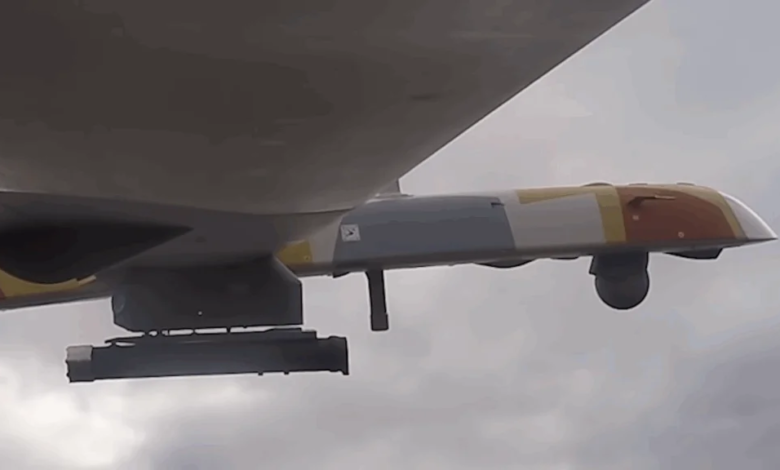
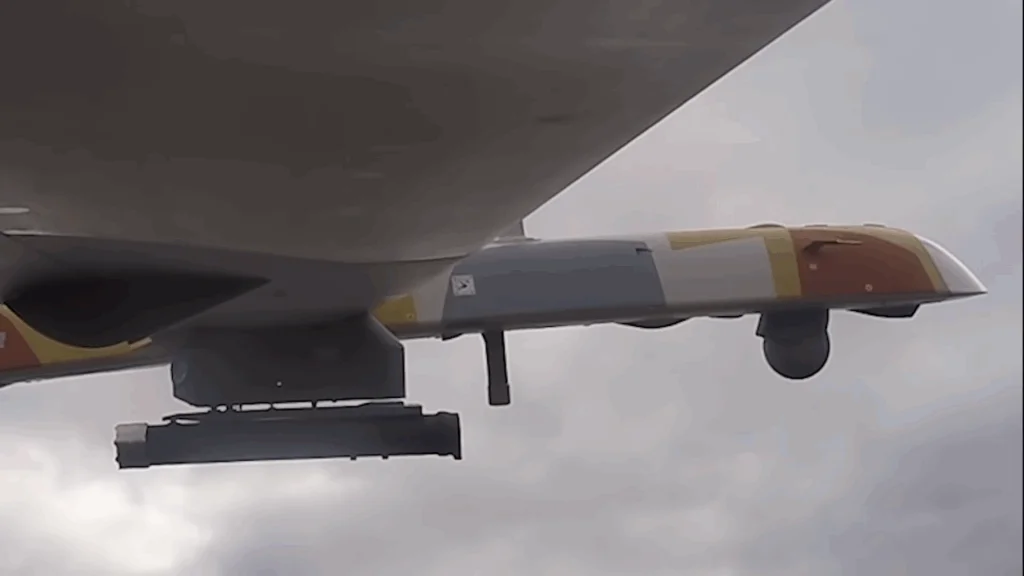
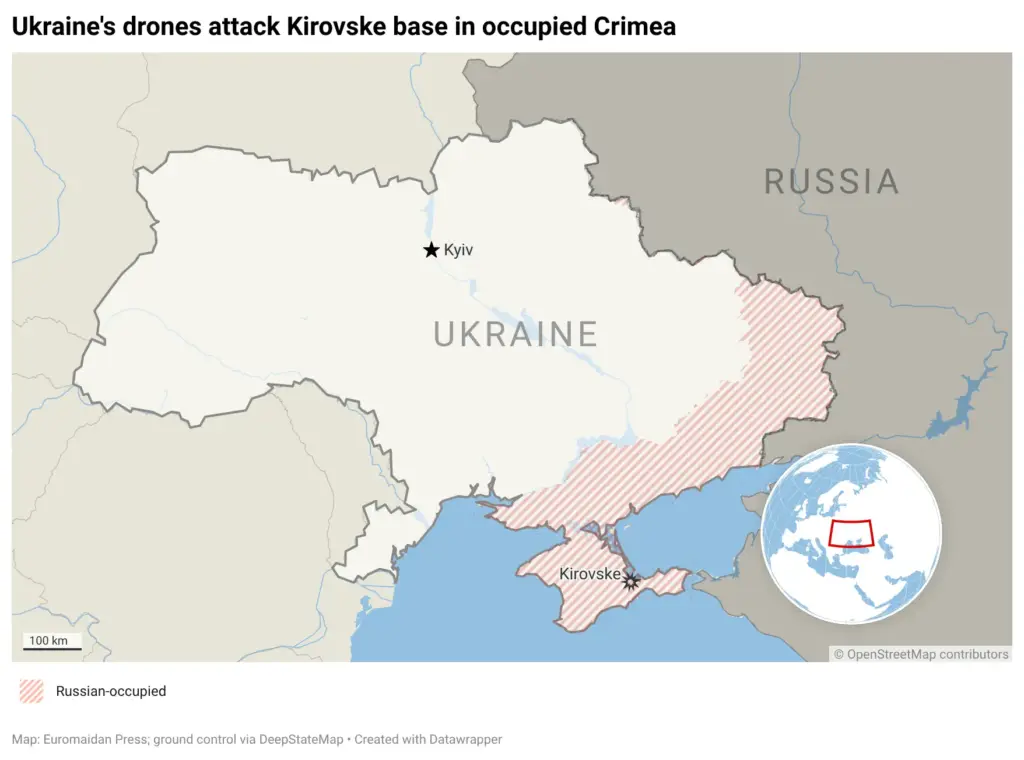
Early in the morning on 2 April, Fire Point FP-2 drones operated the Ukrainian Unmanned Systems Forces and Main Intelligence Directorate motored 165 km to strike Kirovske air base in Russian-occupied Crimea. The first-person-view FP-2s reportedly destroyed four of Russia’s Orion armed drones, a P-37 radar and a derelict ex-Ukrainian transport plane while inflicting heavy damage to the base’s infrastructure.
It wasn’t the first time the Ukrainians have hit Kirovske. The USF hit the base back in October without causing much visible damage. By contrast, the 2 April attack blasted holes in hangars and blew up four Orions, each of which ranges 1,400 km with an 1,150-kg payload.
“The precision of USF operations and their carefully planned execution are degrading the enemy’s military potential faster than it can be restored,” the USF boasted.
The wrecked Orions and blasted hangar aren’t the whole story at Kirovske. For most of 2025, elite Russian drone units pummeled Ukrainian bases as deep as 200 km behind the front—and Ukraine had almost nothing comparable striking back. The FP-2’s 2 April raid suggests that asymmetry is closing.
Ukraine’s Unmanned Systems Forces strike an enemy UAV depot, aircraft, and radar in Crimea
On April 2, operators of the 1st Separate Center of the Unmanned Systems Forces (@1usc_army ), jointly with Ukraine’s Defence Intelligence, carried out a series of operations against… pic.twitter.com/9xKRKCieMP
—
Unmanned Systems Forces (@usf_army) April 2, 2026
The intensification of Ukrainian drone strikes in the middle zone is a welcome development for friends of a free Ukraine. As recently as last year, Ukrainian commanders concentrated short-range drones directly over the front line while also occasionally striking deep inside Russia with long-range drones. But they neglected the vast area in between the front and the deep rear.
The choice drew harsh criticism. Yes, the sheer density of Ukrainian FPV drones over the front line resulted in heavy casualties among Russian troops. But the absence of heavier Ukrainian drones over the logistical zone handed the Russians a relative safe haven right behind the front line.
Ryan O’Leary, an American who once led a volunteer company fighting for Ukraine, worries that Ukrainian leaders are effectively handing Russia the drone advantage in the deep logistical zone.
“The drone war is not about the number of killed today,” Ryan O’Leary, an American who once led a volunteer company fighting for Ukraine, wrote in a now-deleted post. “It is about controlling the space tomorrow. Ownership of the depth means control of movement, logistics, [surveillance], communication and decisions in the sector, not just in the trench.”
The dearth of heavier Ukrainian drones over the Russian logistical zone stung even more given the comparative abundance of heavier Russian drones over the Ukrainian logistical zone. Elite Russian drone units, including the Rubicon (also spelled Rubikon) Center, have extended their unmanned strikes as deep as 200 km behind the front, relentlessly hammering Ukrainian air bases and air defenses and fraying Ukrainian supply lines.

Drone escalation
Fortunately for the Ukrainian war effort, the alarm over the drone gap in that middle zone spurred real action in Kyiv. Ukrainian industry developed new types of medium-range drones with heavier warheads—and massively scaled up production. As 2025 ground into 2026, Ukrainian drone units began striking deeper and harder.
The FP-2 one-way attack drone is indicative of Ukraine’s new emphasis on strikes in the middle zone. The propeller-driven FP-2 is a version of Fire Point’s long-range FP-1 that’s optimized for more damaging, shorter-range attacks. Where the FP-1 devotes most of its 250-kg payload to fuel, extending its range to nearly 1,400 km, the FP-2 devotes most of its payload to its warhead.
So where the FP-1 strikes with a 60-kg warhead, the FP-2 explodes with a much more powerful 100-kg warhead. The downside is the newer drone’s limited range: just 200 km or so. That range makes the FP-2 unsuitable for the deepest strikes on oil refineries and other strategic targets inside Russia—but for raids across the logistical zone, it’s just the thing.
Consider how much more damage the 2 April raid on Kirovske inflicted compared to the October raid on the same base. USF commander Robert Brovdi didn’t claim any specific heavy damage in the aftermath of the October attack. But video footage the USF captured during the 2 April attack points to heavy damage.
A metal hangar can shelter aircraft from strikes by smaller drones. But not from strikes by the FP-2. The USF’s footage indicates one FP-2 punched right through a hangar door and exploded inside the shelter, triggering a raging blaze that may account for the four Orion drones the USF claimed it destroyed at Kirovske on 2 April.
(function(w,q){w[q]=w[q]||[];w[q].push([“_mgc.load”])})(window,”_mgq”);
Source link