Shot knees and a death sentence: how the Belarusian regime punishes people for supporting Ukraine

(function(w,q){w[q]=w[q]||[];w[q].push([“_mgc.load”])})(window,”_mgq”);
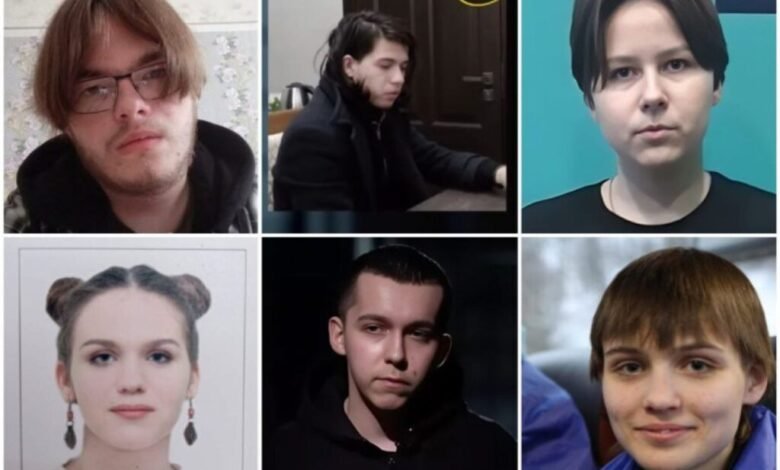
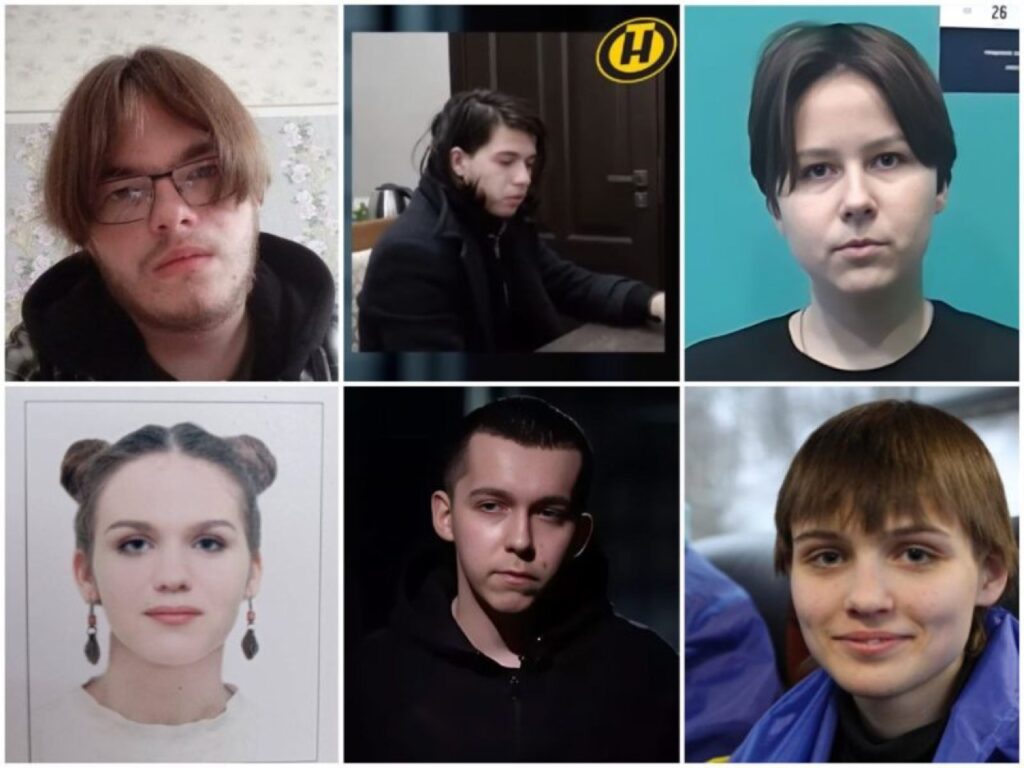
Aliaksandra Pulinovich was a teenager in the city of Baranavichi when she and five other young people spray-painted anti-war and anti-dictatorship slogans on walls. Belarusian authorities accused them of forming an “anarchist cell” under the guidance of Ukrainian special services. A court sentenced Pulinovich to 10 years and three months in prison. US envoy to Belarus John Coale promised to raise the case of Pulinovich on his next trip to Minsk. Around 500 prisoners have already been freed as a result of Coale’s negotiations since the Trump administration began engaging Lukashenka in 2025.
Pulinovich is one of more than 200 political prisoners in Belarus who are behind bars specifically for opposing Russia’s war on Ukraine, the Viasna Human Rights Center reported. They include railway saboteurs who disrupted Russian troop movements toward Kyiv, volunteer fighters hunted across continents, and ordinary citizens who donated money. Belarus has turned wartime solidarity into a crime punishable by decades of imprisonment—and in one case, by death. As the US negotiates their release through sanctions relief, Belarusian defectors warn that the reopened financial channels fund Russian arms production.
A decade behind bars for anti-war graffiti
Belarusian authorities claimed that the six teenagers had formed a group called “Black Nightingales” under the guidance of 16-year-old Ukrainian citizen Maryia Misiuk, allegedly acting on behalf of the “National Liberation Army of Ukraine.” What the group actually did was write anti-war graffiti on buildings in Baranavichi. The authorities also accused them of attempting to assemble an explosive device.
Misiuk, the Ukrainian citizen, was pardoned and released in November 2025 at the request of the United States. Pulinovich, along with Trafim Barysau, Siarhei Zhyhaliou, and Dzmitry Zakharoshka, remains behind bars. Their sentences range from 10 to 12 years.
Shot in both knees for disabling a railway signal
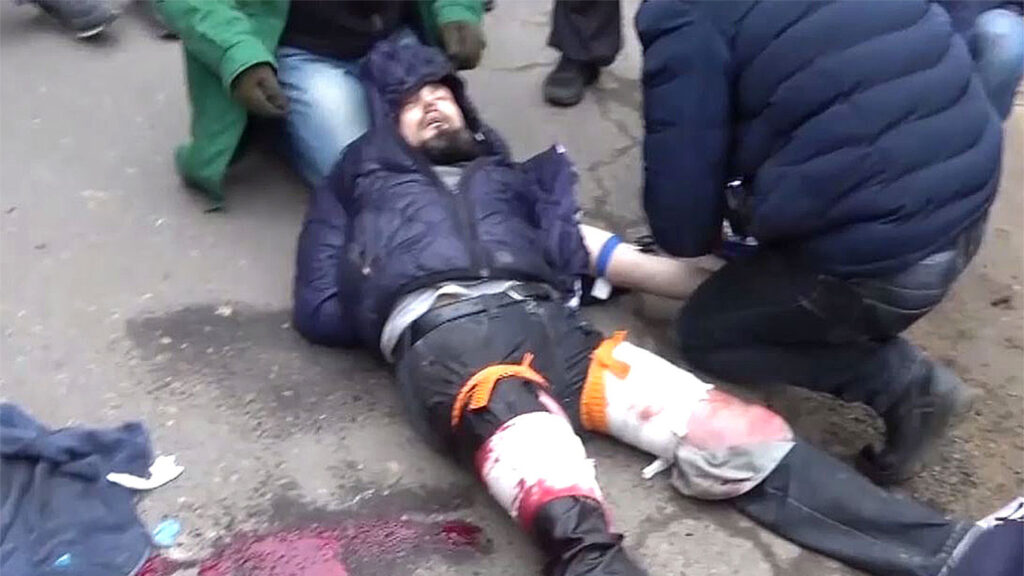
In the first months of Russia’s full-scale invasion, Russian forces used Belarusian territory for their offensive on Kyiv. Some Belarusians tried to interfere—disabling signaling equipment and rail infrastructure to slow the movement of troops and military hardware.
Vital Melnik was detained on 30 March 2022, accused of setting fire to a relay cabinet on the Navasady-Barysau railway line. A video aired on Telegram showed him lying with both legs in bandages. The Belarusian prosecutor general’s office claimed his car contained weapons and that officers had been “justified in shooting him” because of “a real risk of armed resistance.” Melnik was sentenced to 13 years in a maximum-security prison.
Three men from the city of Svietlahorsk—Dzianis Dzikun, Dzmitry Ravich, and Aleh Malchanau—were charged with setting fire to a relay cabinet on 28 February 2022, knocking out traffic lights and railroad switches. They are serving sentences of 21 to 25 years.
The Washington Post reported that a clandestine network of railway workers, hackers, and dissident security forces helped thwart the Russian offensive on Kyiv. Belarus’s Cyber Partisans hacked Belarusian Railways before the full-scale invasion, freezing the system and buying Ukraine’s defenders time.
The regime labeled such acts “terrorism” and amended criminal legislation. The death penalty can now be applied not only for a “terrorist act” itself but also for an attempt to commit one. In June 2024, German citizen Rico Krieger was sentenced to execution by shooting for “preparing terrorist acts” for Ukrainian intelligence. He was pardoned and released as part of a prisoner exchange on 1 August 2024.
The Machulishchy military base attack
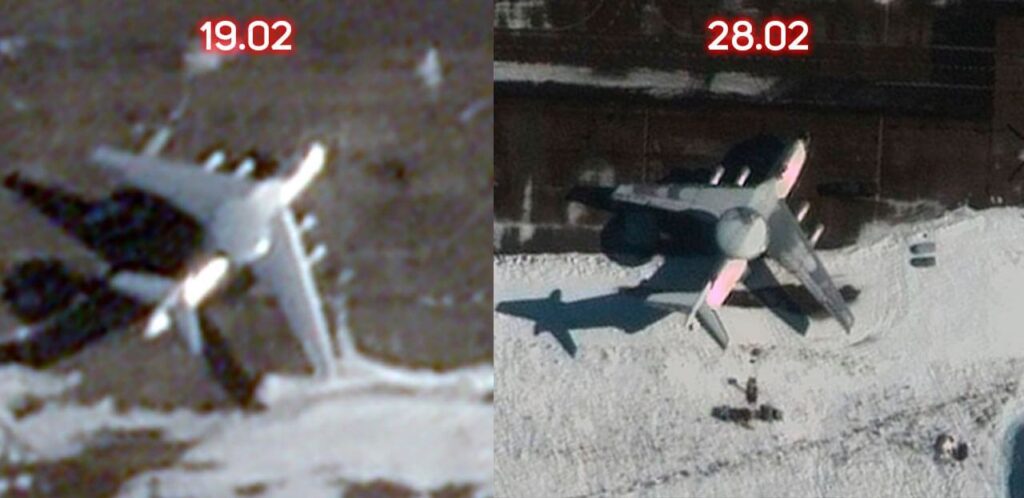
As of February 2026, the Viasna Human Rights Center counted at least 41 people convicted of sabotage. Among them are those connected to one of the boldest acts of Belarusian resistance.
On 26 February 2023, a Russian A-50 early warning aircraft was damaged at the Machulishchy military airfield near Minsk. The dissident group BYPOL claimed responsibility, saying drones had been used in an operation months in the making. Belarusian partisans had conducted aerial reconnaissance at the airfield for two weeks before the attack. The A-50 is used to guide Russian missile strikes on Ukrainian infrastructure, and Russia has no capacity to build a replacement under sanctions.
Courts handed down rulings against approximately 12 individuals, many convicted in absentia. Maksim Lapatsin, still in custody, was sentenced to eight years. His crime: bringing an individual on a highway. He was severely beaten during arrest. A video aired on Belarusian state television shows him wearing dentures—suggesting his jaw was broken.
Hunted across continents for fighting in Ukrainian ranks
Belarusian volunteer units have fought in the Ukrainian army since 2014. The most prominent is the Kalinouski Regiment, whose commander Pavel Shurmei was sentenced in absentia to 25 years. Over 300 Belarusian nationals have been killed fighting for Russia—but it is those who fight for Ukraine whom the regime punishes.
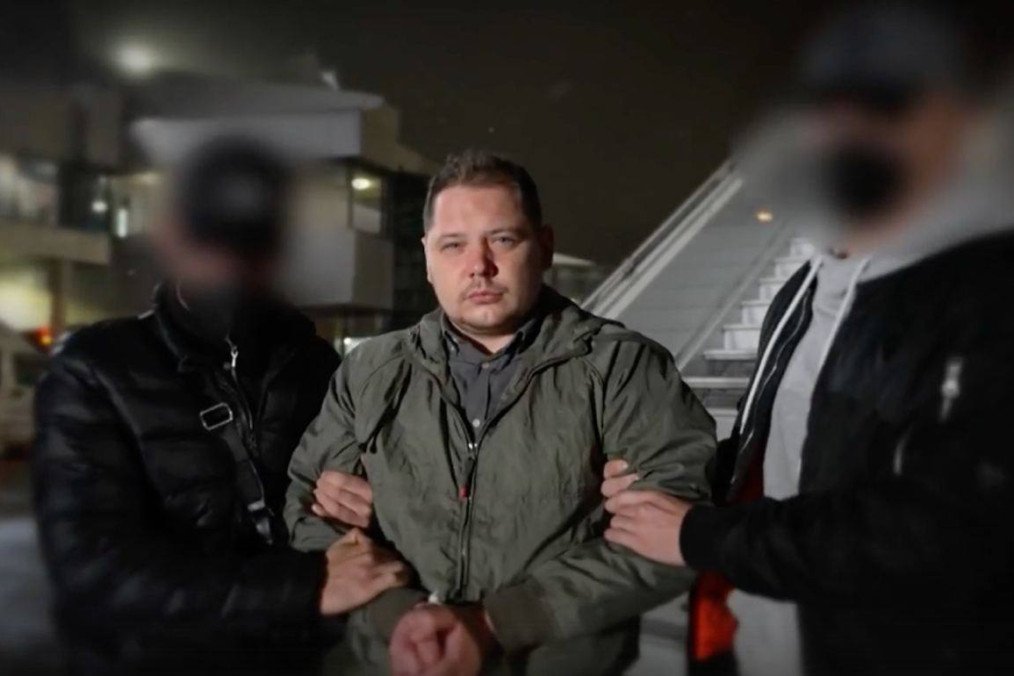
The repression extends beyond Belarus’s borders. Vasil Verameichyk, a Kalinouski Regiment veteran, was detained in Vietnam and extradited to Belarus in November 2024 in what is believed to be a coordinated operation by Lukashenka’s security services. He was paraded on state television and sentenced to 13 years.
Another veteran, Vasil Hrachykha, was detained by several KGB officers with automatic weapons in a marshy area outside a city, transported by helicopter with a black bag over his head and his hands bound with plastic ties. He was sentenced to five years. Maksim Ralko, a former Kalinouski soldier, was arrested at the Belarusian-Polish border in 2024 while entering the country. He received 10 years.
Even relatives are targeted. The mother of Vasil Parfyankou, a fallen Kalinouski Regiment soldier, was forced to renounce her son on camera for state media.
Five years for a donation
Belarus does not only punish those who fought. According to Viasna, at least 40 people, including many women, have been convicted for donating to Ukraine’s armed forces.
IT specialist Maryna Leanovich was detained after returning to Belarus from Georgia. She was convicted of “financing extremist activities” and “financing or other financial support of war” and sentenced to five years. Aliaksandr Darahakupets, also an IT specialist, received five years and six months plus a fine of 2.1 million rubles (more than $620,000).
Why this matters for Ukraine
As of 1 June 2026, the human rights organization Viasna counts 874 political prisoners in Belarus. Some will likely be released in the next round of US-brokered negotiations. Viasna encourages people to write letters to the prisoners to provide emotional support.
“A direct investment in ammunition flying across the border”: Belarusian defectors warn US sanctions relief is funding Russia’s war
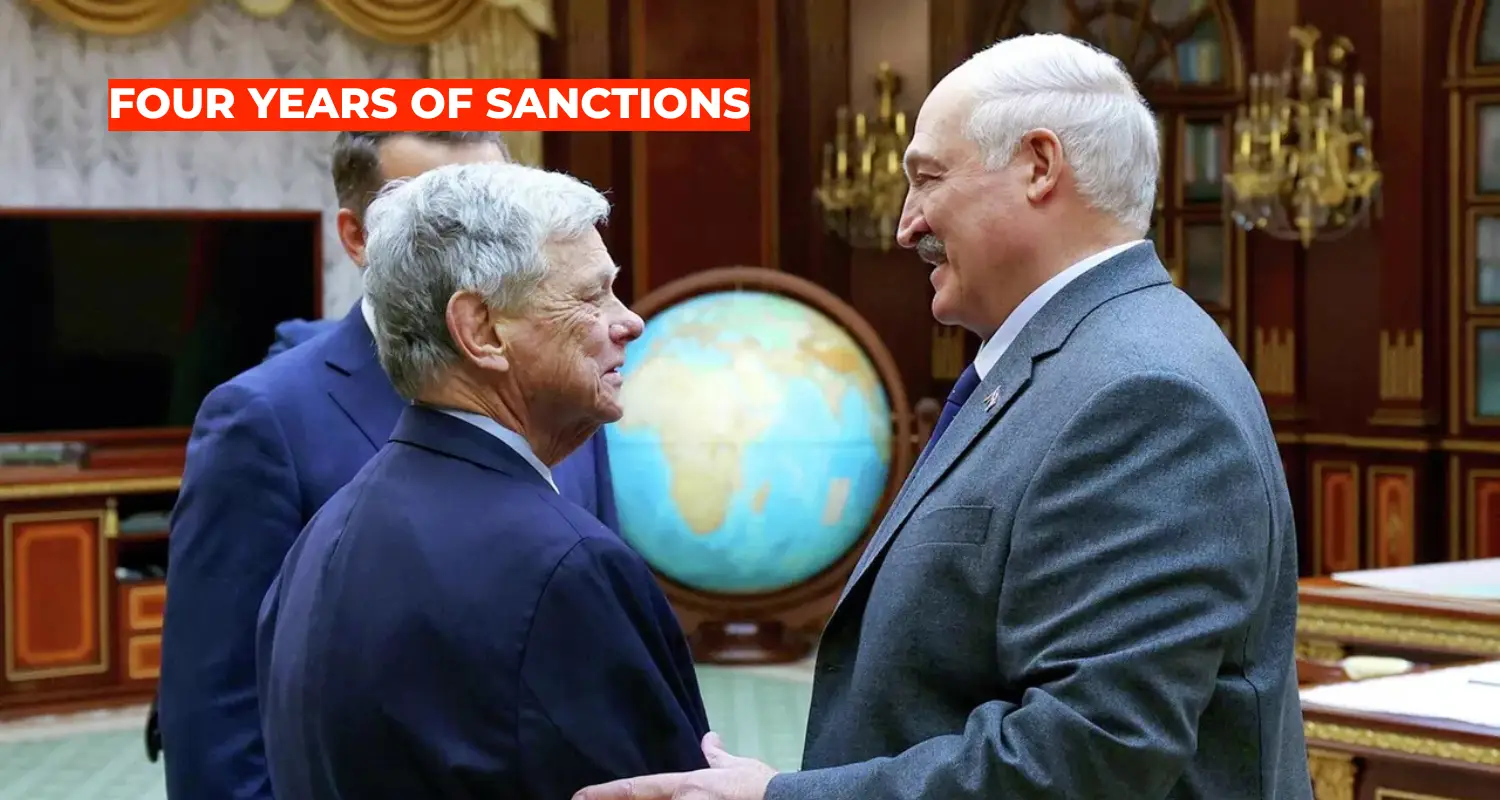
But the releases come at a price that Ukraine pays. Each round of sanctions relief—on the state airline, potash producers, and most recently the state-run Belinvestbank—has reopened financial channels to the regime. Belarusian defectors documented that Belinvestbank financed Belarusian factories producing artillery shells and rockets—the same calibers Russian forces fire at Ukrainian positions daily. Ukraine expanded its own sanctions on Lukashenka’s inner circle in February 2026 over Belarus’s role in hosting Russian Shahed drone relays used to strike Ukrainian cities. Washington has since pressured Kyiv to ease those very sanctions.
The paradox is stark. The people being freed were imprisoned for supporting the same cause—Ukraine’s defense—that the freed sanctions undermine. The railway partisans slowed the Russian advance on Kyiv. The Machulishchy saboteurs damaged an aircraft used to guide missile strikes on Ukrainian infrastructure. The donors sent money to Ukraine’s army. And the sanctions relief they were traded for helps finance the shells fired at the army they tried to help.
Exiled opposition leader Sviatlana Tsikhanouskaya, who met President Zelenskyy in Kyiv on 26 May, has repeatedly warned: “Let’s not be naive. Lukashenka hasn’t changed his policies, his crackdown continues, and he keeps on supporting Russia’s war against Ukraine.”
(function(w,q){w[q]=w[q]||[];w[q].push([“_mgc.load”])})(window,”_mgq”);
Source link