(function(w,q){w[q]=w[q]||[];w[q].push([“_mgc.load”])})(window,”_mgq”);
- Ukraine is developing an air-launched ballistic missile similar to the Russian Kinzhal
- Fast and far-ranging, air-launched ballistic missiles are uniquely powerful
- Ukraine’s parallel efforts to develop air-launched space rockets could aid the development of the new missile
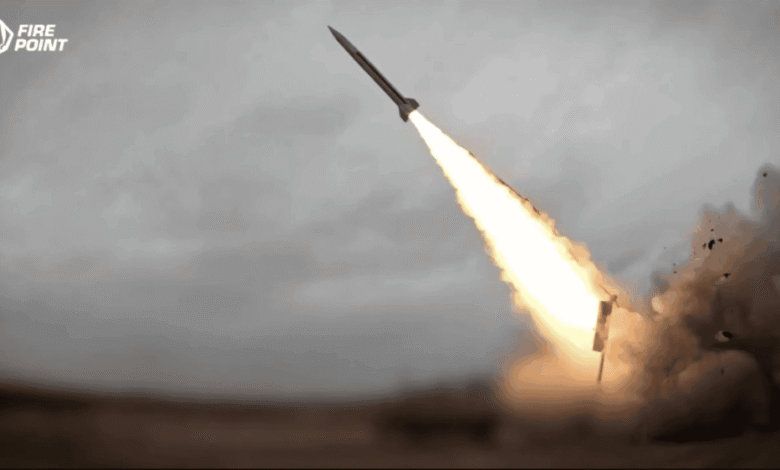
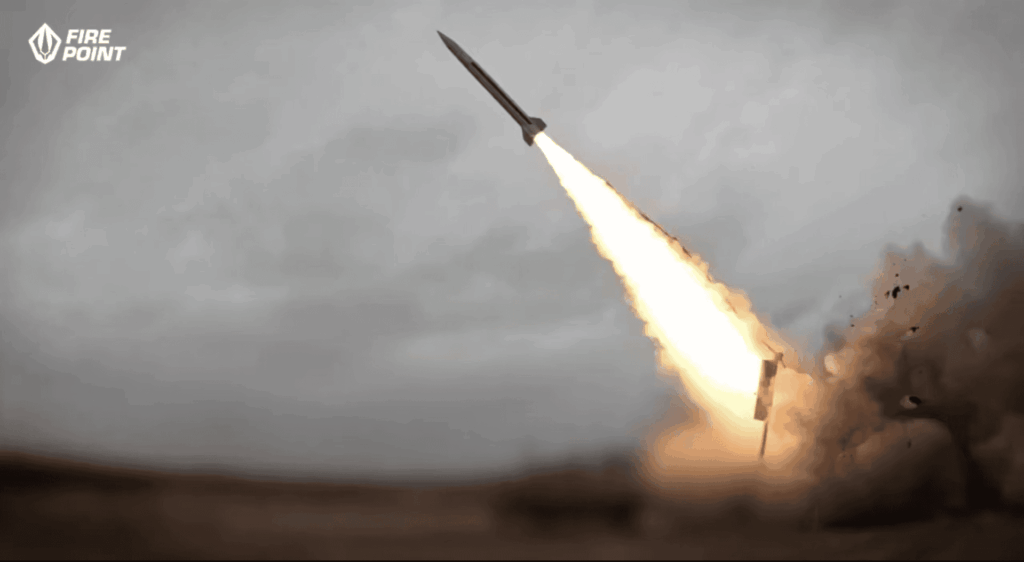
Ukraine is developing its own version of Russia’s Kinzhal air-launched ballistic missile. If the air-launched version of Fire Point’s FP-9 missile actually works, it could significantly expand the area of Russia where Ukrainian forces can inflict lasting damage on air bases, factories, oil refineries and other strategic targets.
Fire Point has been working on the FP-9 for many months. But it wasn’t until recently that Fire Point chief engineer Denys Shtilerman revealed that the ground-launched ballistic missile could eventually evolve into an air-launched ballistic missile in the same class as the 4,300-kg Kinzhal.
Ranging as far as 850 km with an 800-kg warhead, the precision-guided FP-9 is a bigger version of Fire Point’s FP-7 ground-launched ballistic missile, which ranges 200 km with a 150-kg warhead. The FP-7 is already in testing. Fire Point plans to begin testing of the FP-9 as early as this summer.
If it enters service and evolves into an air-launched munition, the FP-9 would be the first of its type for Ukrainian forces. Only the most powerful air forces—the Russian and Israeli air forces, to name two—possess air-launched ballistic missiles. Launching a ballistic missile from the air instead of the ground extends its range by potentially hundreds of kilometers.
Even aside from their long range, air-launched ballistic missiles are uniquely powerful munitions. Their high speed makes them extremely hard to intercept.
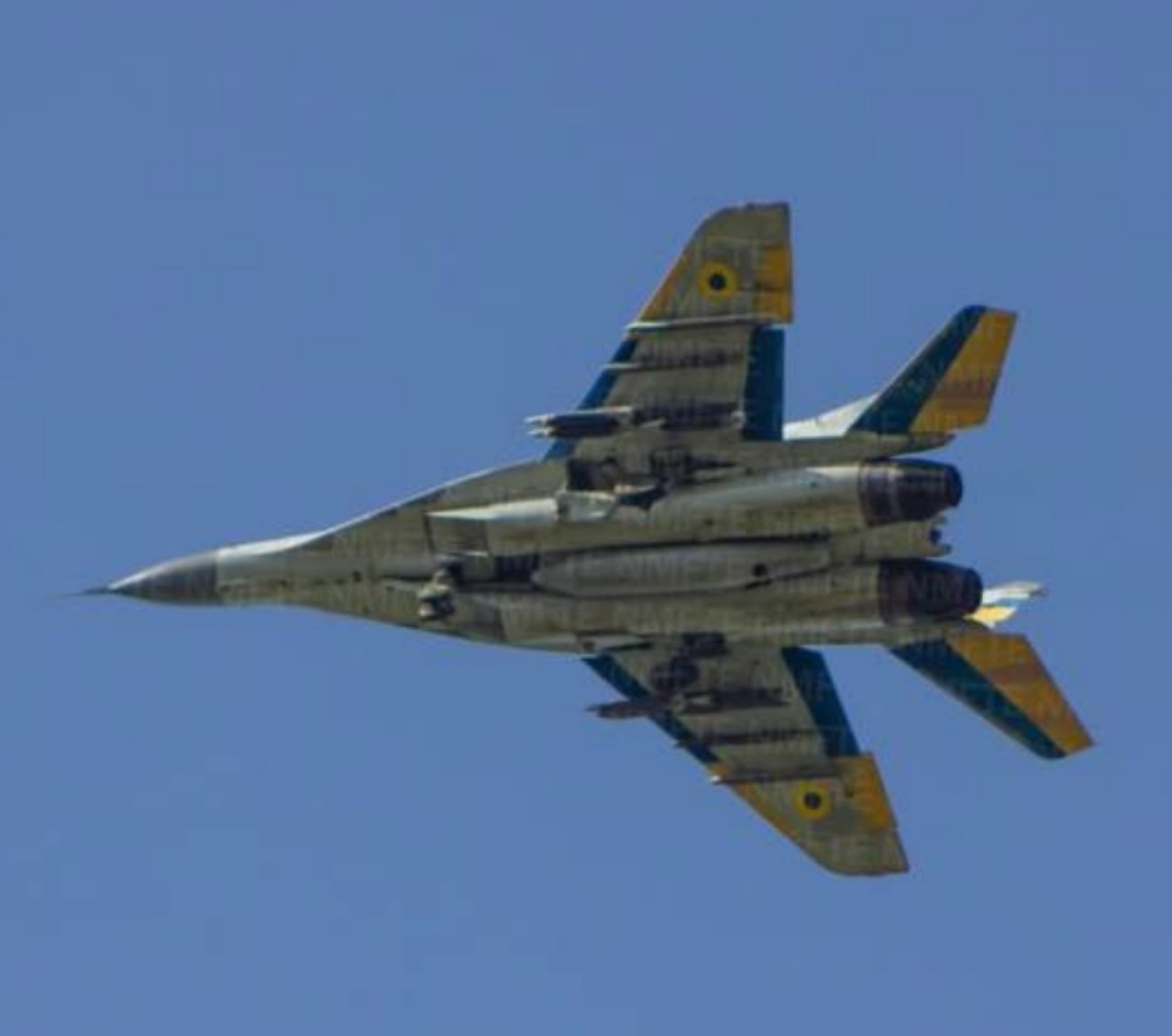
The Kinzhal, which is launched a specially modified Mikoyan MiG-31 interceptor, streaks across the sky as fast as Mach 5.7. It’s so fast that Ukraine’s best kinetic air defenses, its US-made Patriot missiles, struggle to hit incoming Kinzhals. The Russians often include a few Kinzhals in the mix when they bombard Ukrainian cities and power plants.
Desperate to blunt the Kinzhal raids, Ukrainian forces have even deployed sophisticated electronic warfare systems that can, in theory, confuse the Russian missile’s flight controls and send it off course. The Ukrainians are apparently eager to hit back at the Russians with a missile that’s equally difficult to block.
Space connections
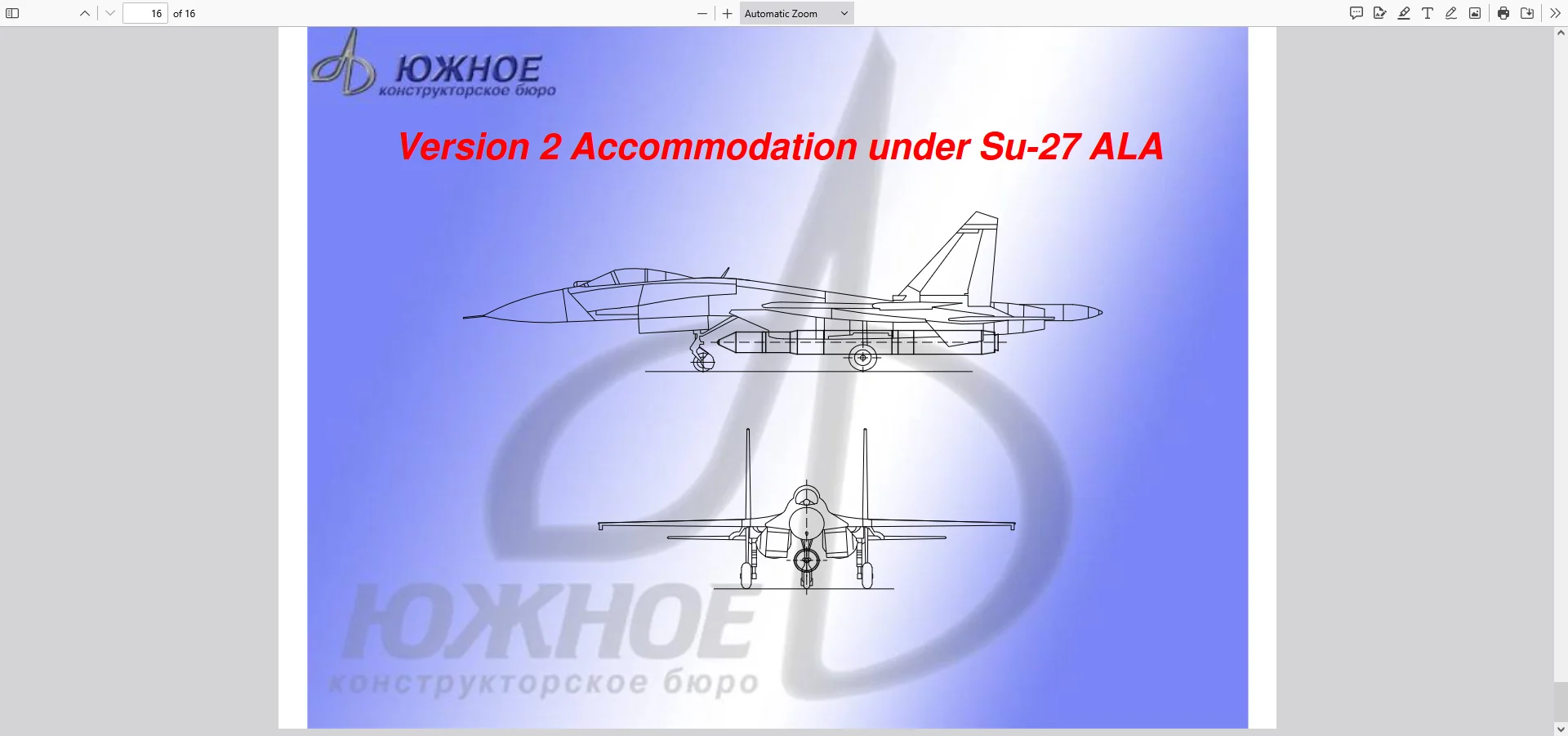
Technically speaking, an air-launched FP-9 is well within the means of Ukraine’s sprawling missile industry. The Dnipro-based Yuzhnoye State Design Office has been tinkering with air-launched rockets since the late 1980s.
Yuzhnoye’s rockets, designed to be launched by Antonov An-124 transports or Sukhoi Su-27 fighters, are meant for space missions. But it’s not difficult to modify a space launch vehicle, meant to carry satellites into orbit, into a weapon. Just swap the satellite for a warhead and send the rocket arcing downward instead of up.
Ukraine is working hard to establish a significant space launch capability. Member of parliament Fedir Venislavskyi, who heads the Subcommittee on State Security of the Verkhovna Rada Defense Committee, told RBC-Ukraine the Ukrainian main intelligence directorate has launched at least two space rockets in the 50 months since Russia widened its war on Ukraine.
“This is a unique situation for a country engaged in a full-scale war,” Venislavskyi said. He mentioned one launch that occurred in mid-air from the hold of a transport plane. It’s unclear whether that launch was one of the two launches conducted by the main intelligence directorate.
That experience could prove extremely valuable as Fire Point develops the FP-9. The first step is to deploy the FP-9 in a simpler ground-launched version. Later, Fire Point could leverage Ukrainian space efforts to also launch FP-9s from the air.
The result, if the stars align, would be a hard-hitting deep strike capability that Russia’s air defenses—already frayed by relentless Ukrainian drone strikes—may struggle to defeat.
(function(w,q){w[q]=w[q]||[];w[q].push([“_mgc.load”])})(window,”_mgq”);
Source link