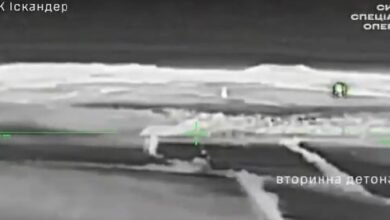
Russia’s Black Sea Fleet ran to Novorossiysk. Ukraine’s drones are hammering it from the sky.


(function(w,q){w[q]=w[q]||[];w[q].push([“_mgc.load”])})(window,”_mgq”);
- Two months after attacking a Russian submarine with its own robot sub, Ukraine has launched another wave of attacks on the port of Novorossiysk
- The port in southern Russia is the last refuge of the Russian Black Sea Fleet, which has lost several ships to Ukrainian strikes
- Now Ukraine is attacking Novorossiysk from the air
- One frigate hit, but more attacks are surely coming as Kyiv aims to finish off the battered Black Sea Fleet
Relentlessly hammered by Ukrainian missiles, aerial drones, and drone boats, what’s left of the Russian Black Sea Fleet has retreated from its former home ports in Russian-occupied Crimea and, instead, has sheltered in the port of Novorossiysk in southern Russia, 360 km from the front line in southern Ukraine.
Ukrainian drones have followed the Russian vessels all the way there. Attacking from the air, the surface, and below the surface, Ukraine’s unmanned strike force is trying to finish off a fleet that has nowhere left to go.
There are no major repair facilities in Novorossiysk. Türkiye closed the Bosphorus to Russian warships in 2022, so the fleet can’t bring in replacements. If the SBU’s claims about the 1-2 March raid hold up, every hit is permanent.
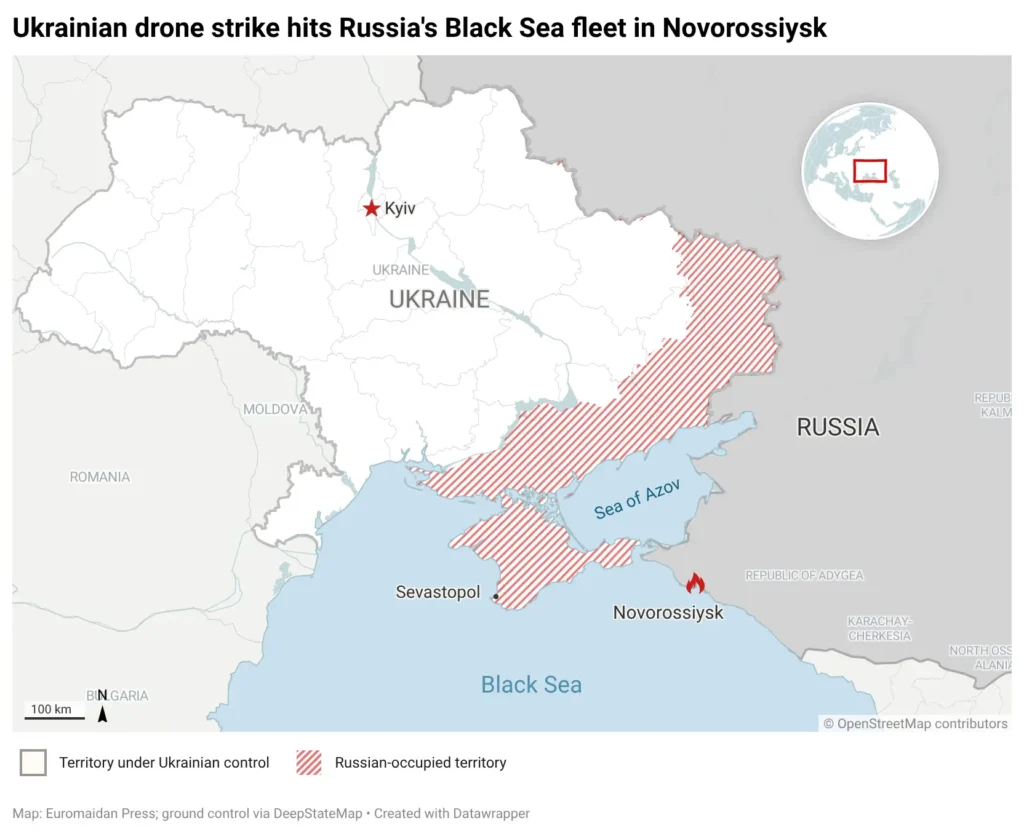
Up to 200 drones hit warships and oil terminal
On the night of 1-2 March, Ukrainian aerial drones swarmed the port, targeting at least eight warships tied up to the port’s piers. Russia’s Defense Ministry said it shot down 172 Ukrainian drones across all regions that night. Krasnodar region governor Veniamin Kondratyev wrote on Telegram that “the strongest strike fell on Novorossiysk” and declared a state of emergency.
The targets included:
- two Project 12700 seagoing minesweepers;
- two Project 266 seagoing minesweepers;
- two Project 1124 anti-submarine ships and
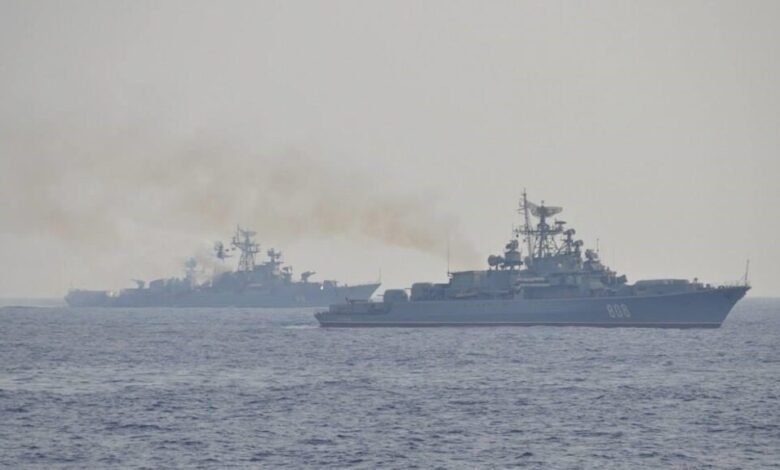
- two Project 11356 frigates.
Notably, the drones apparently didn’t target the three Project 21631 corvettes that are also tied up in Novorossiysk. The three corvettes along with the two frigates represent the Black Sea Fleet’s main fighting force now that Ukraine has sunk the cruiser Moskva and has sunk or damaged the bulk of the fleet’s amphibious assault ships and attack submarines.
The corvettes and frigates routinely fire Kalibr cruise missiles at Ukrainian cities and power plants.
The drones didn’t just hit warships. The SBU said its strikes also knocked out six of seven loading arms at the Sheskharis oil terminal, Russia’s biggest Black Sea crude export hub, according to sources in the security service who spoke to hromadske. Reuters, citing trade sources, confirmed that oil loadings were suspended after the raid.
Frigate Admiral Essen hit—satellite imagery confirms damage
Initial satellite imagery was ambiguous—some observers thought they saw signs of a hit on one frigate, others saw nothing. But within days, a clearer picture emerged.
OSINT analysts from CyberBoroshno, working with satellite imagery published on 4 March, confirmed that drones hit the frigate Admiral Essen’s midship superstructure. The impact triggered the detonation of PK-10 decoy launchers and damaged the ship’s TK-25 electronic warfare system, its MR-90 fire-control radars, and likely the main Fregat-M2M surveillance radar.
SBU sources told Ukrainska Pravda that their drones carried out the strike and that the resulting fire on Admiral Essen’s deck burned for roughly 18 hours. The SBU’s assessment: “The ship sustained critical damage that significantly limits its ability to use Kalibr cruise missiles. The frigate cannot currently strike Ukrainian territory.”
That claim cannot be independently verified. But the satellite-confirmed superstructure damage—including the destruction of radar and electronic warfare systems—is consistent with a ship that would struggle to operate effectively.
CyberBoroshno also confirmed a strike on the stern of the Project 266ME minesweeper Valentin Pikul, damaging the ship’s trawling equipment—the gear that makes a minesweeper a minesweeper. The analysts initially misidentified the hit as a strike on a Molniya-class missile boat due to low image quality, but later corrected the identification.
The SBU separately claimed that two anti-submarine ships—the Yeysk and Kasimov—also sustained serious damage, and that three Russian sailors were killed and 14 wounded. Those claims have not been independently confirmed by satellite imagery or other OSINT sources. The Ukrainian OSINT project Exilenova+ published an image showing an apparent stain near where Project 1124 ships were berthed, but that’s suggestive rather than definitive.
The fleet adapts—but Ukraine adapts faster
Each Ukrainian measure has inspired a Russian countermeasure. When the Ukrainian navy sank Moskva with Neptune ground-launched cruise missiles, the Black Sea Fleet positioned its ships farther from the Ukrainian cost. When Ukrainian UAVs struck, the Russians staged more air defenses. When the Ukrainian special services deployed explosive boats and submarines, the Russians flew more defensive air patrols and erected barriers at the entrance to Novorossiysk.
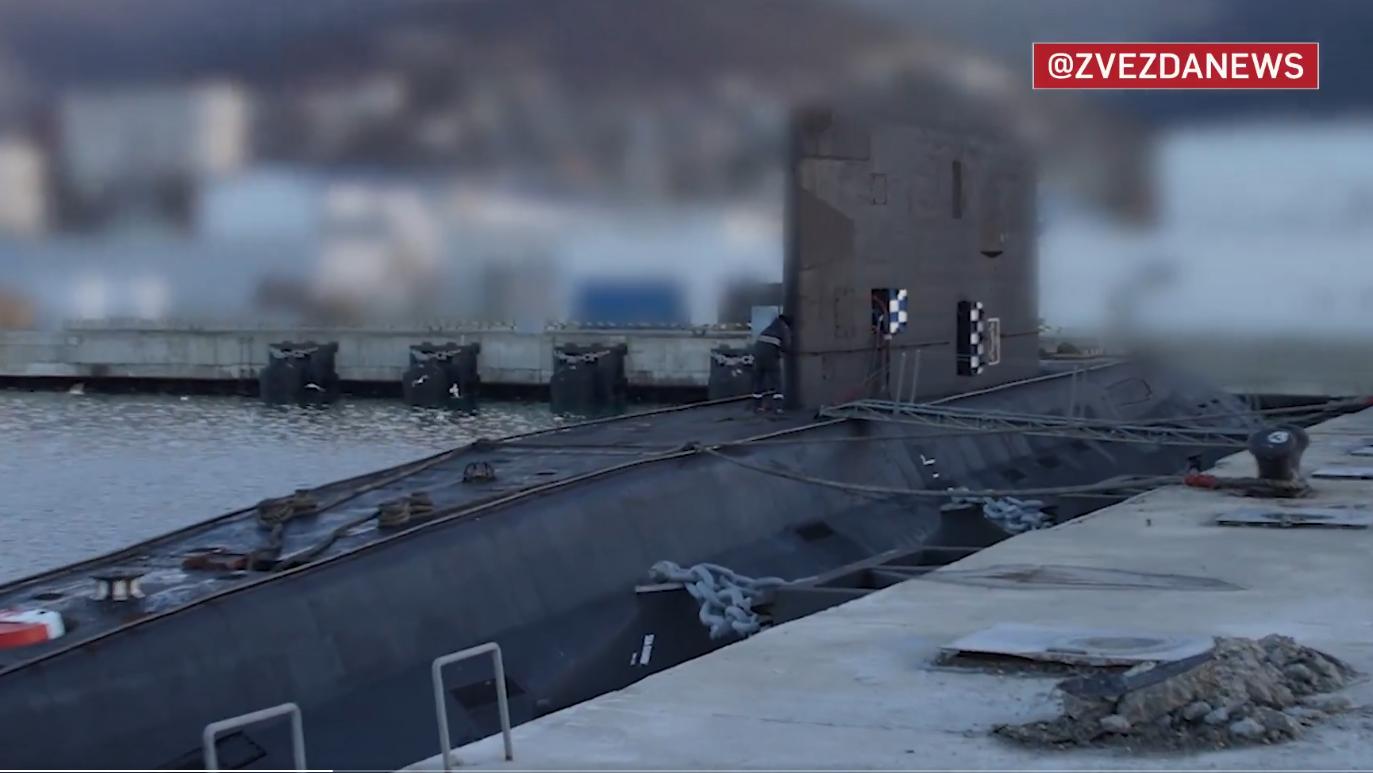
The constant adaptation has helped stymie Russian losses. After losing multiple ships in 2022, 2023 and 2024, the Black Sea Fleet didn’t lose any ships in 2025, and has also managed to avoid any sinkings so far this year.
But that doesn’t mean the Russian fleet is winning the Black Sea naval war. The Ukrainians adapt at least as fast as the Russians do—and continue attacking. Even when Ukrainian strikes don’t sink Russian ships, they at least keep them in a defensive posture. Offensive action by the Black Sea Fleet is now mostly limited to Kalibr strikes.
“Four years of non-conventional, asymmetric focused Ukrainian resistance have left the Black Sea Fleet geographically constrained, with substantial materiel losses and a damaged reputation,” the U.K. Defense Ministry explained.
After the 1-2 March raid, at least one of the fleet’s Kalibr-armed frigates appears to be out of action. There are no major repair facilities in Novorossiysk. Four years of non-conventional, asymmetric focused Ukrainian resistance have left the Black Sea Fleet geographically constrained, with substantial materiel losses and a damaged reputation,” the U.K. Defense Ministry explained.
After the 1-2 March raid, at least one of the fleet’s Kalibr-armed frigates appears to be out of action. The Black Sea Fleet started this war with over 80 vessels. It now clings to a single port with a shrinking number of ships that work.
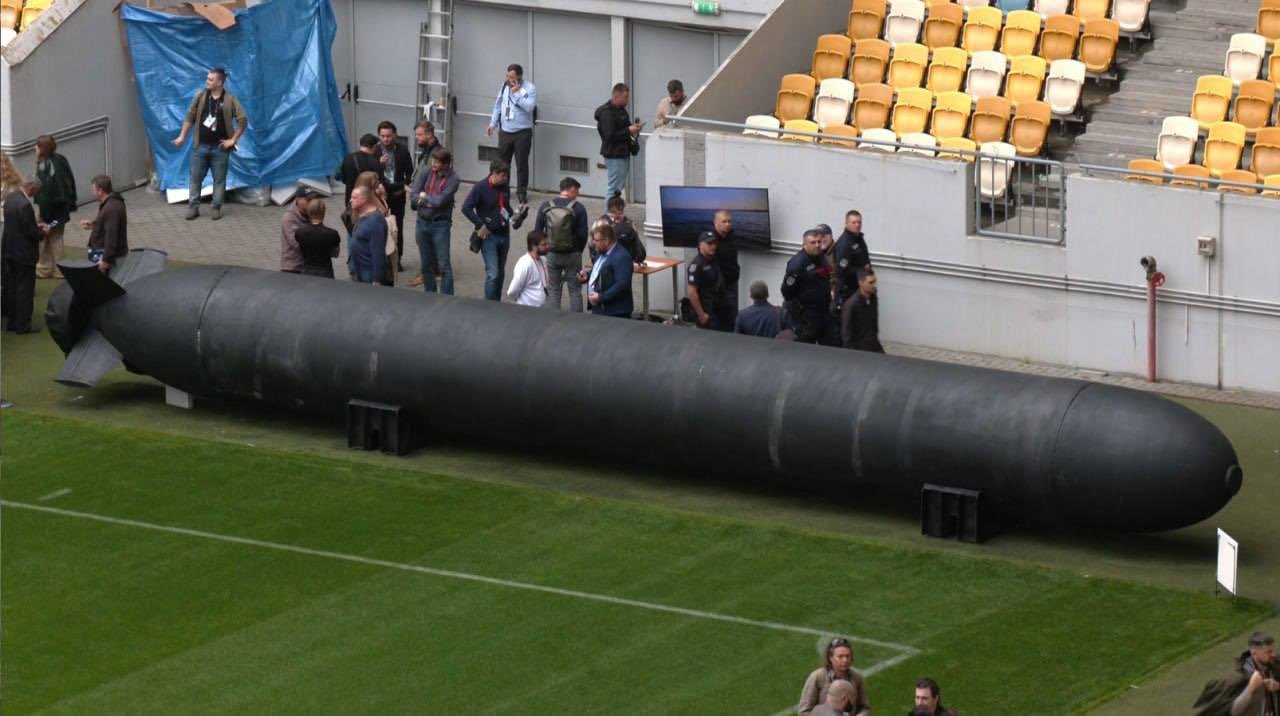
Even if Ukraine’s explosive drone sub missed, it may have badly damaged that Russian sub
(function(w,q){w[q]=w[q]||[];w[q].push([“_mgc.load”])})(window,”_mgq”);
Source link