(function(w,q){w[q]=w[q]||[];w[q].push([“_mgc.load”])})(window,”_mgq”);
- A pair of Russian field armies aim to march on the eastern city Sloviansk from the east
- A Ukrainian field army and its drones, dug in around the town of Lyman, stand in their way
- The Ukrainian drone operators are trying to defeat the coming assault before it even begins—by striking Russian vehicles in their dugouts
- Vehicles are hard to detect while sheltering underground, so the Ukrainians are locating the Russians by tracing their radio chatter
- If the tactic works at scale, it could help defend Ukraine’s last major free cities in Donetsk Oblast
The Russian 20th and 25th Combined Arms Armies have their sights set on Kramatorsk and Sloviansk, the last two major free cities in eastern Ukraine’s Donetsk Oblast.
After spending much of 2025 capturing Pokrovsk and Myrnohrad, 50 km southwest of Kramatorsk, the Russians have an obvious—albeit difficult—south-to-north path toward the Kramatorsk-Sloviansk conglomeration.
But they’re aiming to open a west-to-east path, too—by advancing through the town of Lyman, crossing the Siverskyi Donets River and rolling along the T0514 into Sloviansk, 15 km from Lyman.
The Ukrainian 3rd Army Corps is determined to stop them. And it’s not waiting for the Russians to leave their underground dugouts and launch their assault on Lyman and the Ukrainians’ Siverskyi Donets bridgehead.
Hunting tanks underground with radio signals
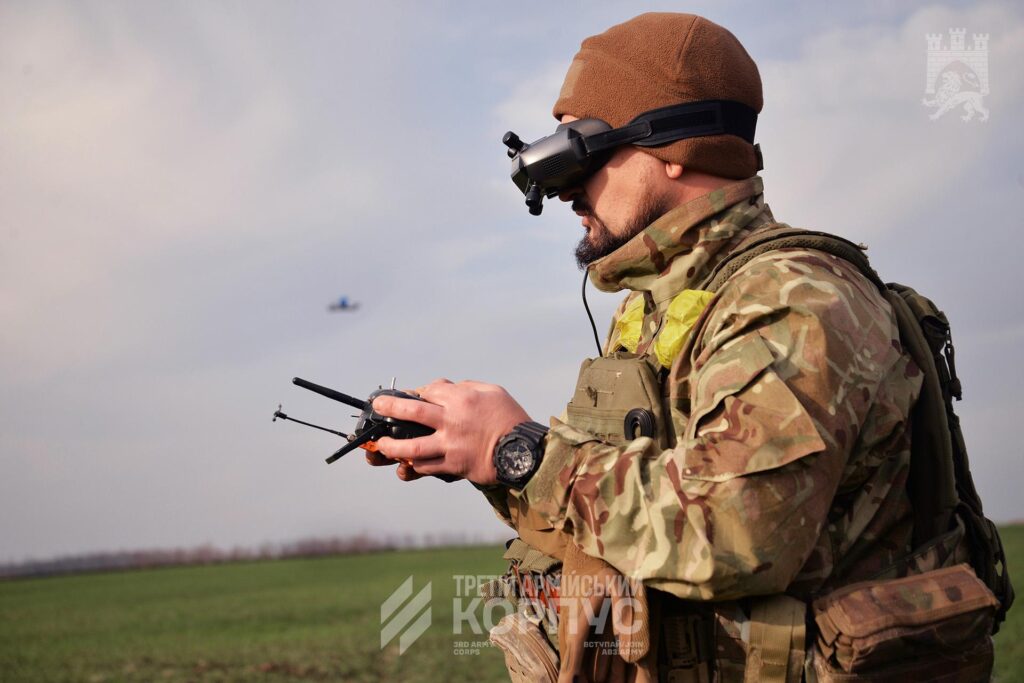
In recent weeks, a drone team working with the 3rd Army Corps found and targeted four Russian tanks and seven Russian infantry fighting vehicles in their dugouts. “We know that Russians planned to attack our positions with IFVs,” drone operator Kriegsforscher reported.
So Kriegsforscher and his team have been “trying to destroy Russian IFVs and tanks in their shelters,” blunting the coming Russian assault before it can begin.
If the tactic works at scale, it could blunt Russia’s assault on Lyman—the gateway to Sloviansk and Kramatorsk, the last two major free cities in eastern Ukraine’s Donetsk Oblast.

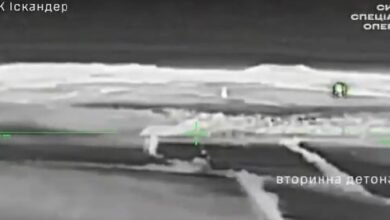
It’s easier said than done. While sheltering underground and covered in camouflage, armored vehicles are extremely hard to detect from the air. Even night-vision drones fitted with heat-detecting thermal cameras—which can quickly spot moving vehicles with their hot engines and exhaust—may struggle to detect a below-ground vehicle while it’s not moving and its engine is cold.
So Kreigsforscher explained that his team is using a special tactic. Yes, they’re conducting the usual aerial reconnaissance with drones. But they’re also using signals intelligence, or SIGINT. It’s the practice of listening in on enemy communications—and triangulating the enemy’s location based on the signals.
Kreigforscher’s team found and attacked those 11 Russian vehicles “with the help of air recon and SIGINT,” the drone operator wrote.
Results from the SIGINT-guided strikes near Lyman:
- 4 tanks destroyed in dugouts
- 7 infantry fighting vehicles hit before assault
- 19 Russian soldiers killed in late November strikes
- Targets from 1st and 252nd Motor Rifle Regiments
Territorial troops first seized, now assaulting—Ukraine’s infantry crisis goes critical
How fog forced Ukraine to adapt
It’s not the first time Kriegsforscher’s team has used SIGINT to hunt down Russian vehicles. As winter fell across Ukraine late last year and the thick fog that’s typical of Ukrainian winters began blanketing much of the 1,100-km front line, the Russians quickly realized they could use the fog as cover.
Drones with thermal cameras can see right through the fog, but as recently as last fall most of Ukraine’s drones only had optical cameras that strictly see in daylight. In November, visibility for optical drones was just 50 yards, according to Kriegsforscher.
The poor visibility tended to “significantly degrade” a drone-based defense, noted analyst Michael Kofman from the Carnegie Endowment in Washington, D.C.
The Ukrainians adapted quickly. While rushing to install thermal cameras on a much larger share of their aerial drones, they also began deploying ground robots to linger for hours or even days at a time along the likeliest assault routes—and log passing Russian vehicles. At the same time, the Ukrainians zeroed in on Russian forces by tracing their radio chatter.
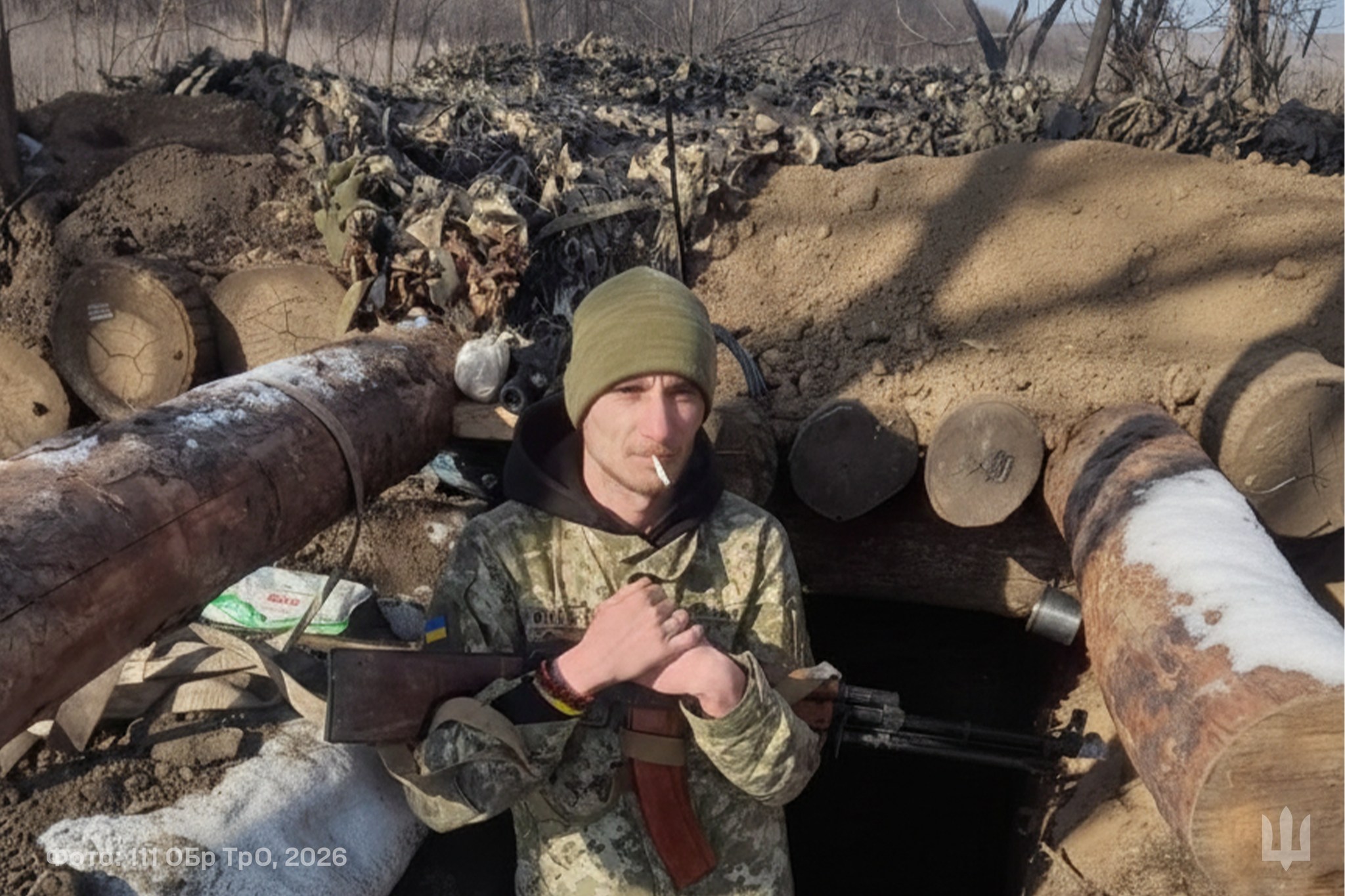
Ukrainian troops “have awful weather conditions during the day and night,” Kriegsforscher wrote in late November. “But with the help of SIGINT and other tools, we are able to destroy the enemy.”
Kriegsforscher listed seven targets, all BTR-80/82AT wheeled infantry fighting vehicles from the 1st and 252nd Motor Rifle Regiments, slowly advancing north of Lyman. Destroying the seven BTRs between 23 and 28 November, Kriegsforscher’s unit claimed it killed 19 Russians.
Two months later, Kriegsforscher’s team achieved a similar feat, striking those 11 Russian vehicles before they could even leave their dugouts.
The race for Sloviansk
The drone raids may only delay the coming push on Lyman. “Troops of the [Russian] 20th and 25th Combined Arms Armies will advance north and east of Lyman with the aim of isolating the defense area of the 3rd Army Corps of Ukrainian Defense Forces around the city from the north and northwest,” the Ukrainian Center for Defense Strategies warned on Wednesday.
The Russians’ goal is “to reach the Siverskyi Donets River south of the city,” CDS added. If the Russians can cross the river and hop onto the T0514, they may be able to ride it all the way to Sloviansk.
(function(w,q){w[q]=w[q]||[];w[q].push([“_mgc.load”])})(window,”_mgq”);
Source link